
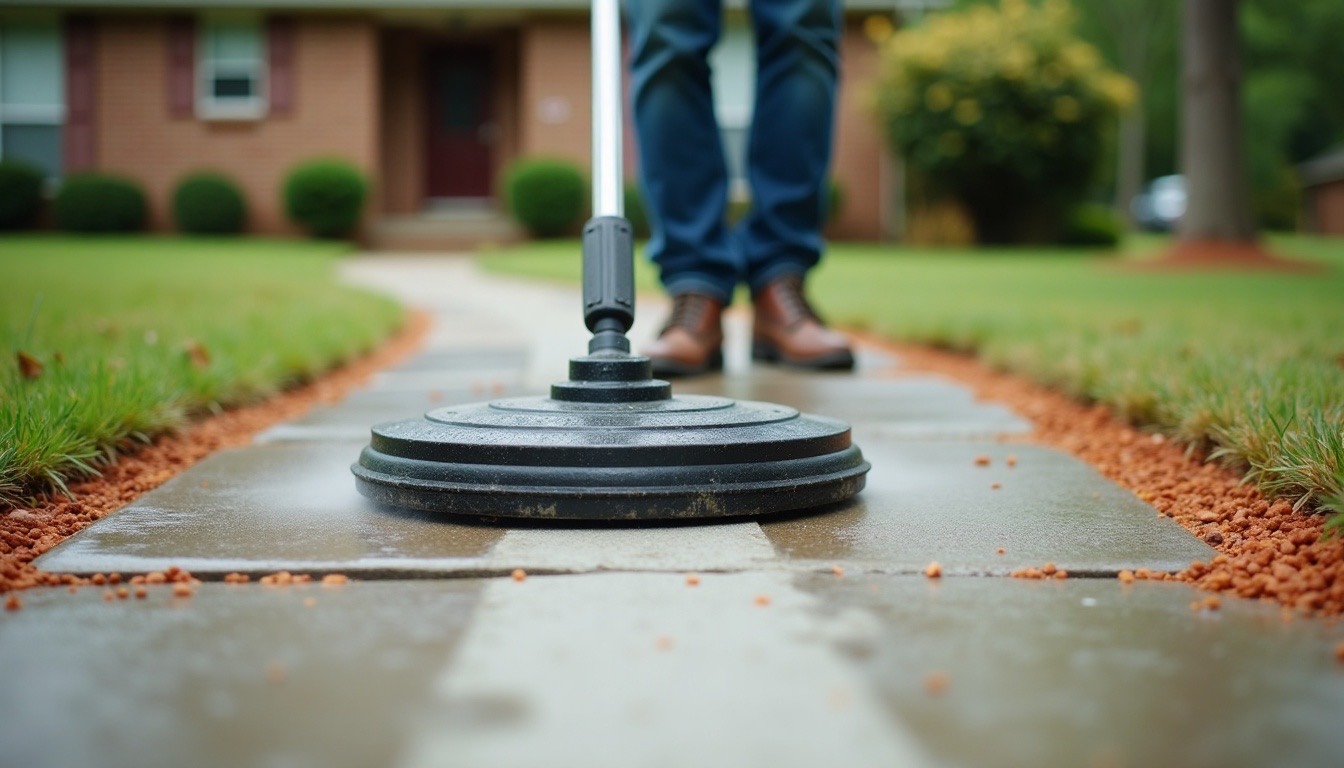
Red clay, oil and mildew on concrete
Red clay is iron oxide, and it bonds to concrete in a way that plain pressure will not touch. It gets a pretreatment that breaks the bond, then the surface cleaner lifts it. Oil spots get a degreaser and dwell time; old ones fade more than they vanish, and we tell you that up front. Mildew and algae on the shaded end die with the same low-pressure solution we use on a house wall, then rinse clean.
Pollen in spring and leaf tannin in the fall leave their own stains, and the shaded corners of a sidewalk in the campus neighborhoods, under old oaks, grow slick enough to slip on. That green film is the one that puts people in the ER after a rain, and it is the easiest of the lot to remove.
A surface cleaner, not a wand
A surface cleaner is the round attachment with spinning nozzles under a hood. It cleans a wide path at an even height, so the whole driveway comes out the same shade. A wand held by hand leaves the stripes and tiger marks you see on a driveway somebody did themselves on a Saturday, because the distance and angle change with every stroke. We use the wand for edges, steps and the strip against the garage door, and the surface cleaner for the field.
Pressure is right for concrete, where it would be wrong for siding. Even so, a worn or soft slab can be etched by too much pressure, so we test a corner on older concrete and pull the pressure down if the aggregate starts to show.
Pavers, stamped concrete and pool decks
Pavers hold sand in the joints and that sand comes out under pressure, so we clean them at a lower setting and re-sand the joints after if you want them done. Stamped and colored concrete has a sealer and a color release on top that strong pressure strips, so it gets a light touch and a soft-wash pretreatment that does most of the work. Pool decks, usually Kool Deck or brushed concrete around a pool in a Highway 69 South subdivision, get a mildew treatment and a thorough rinse so nothing ends up in the water.
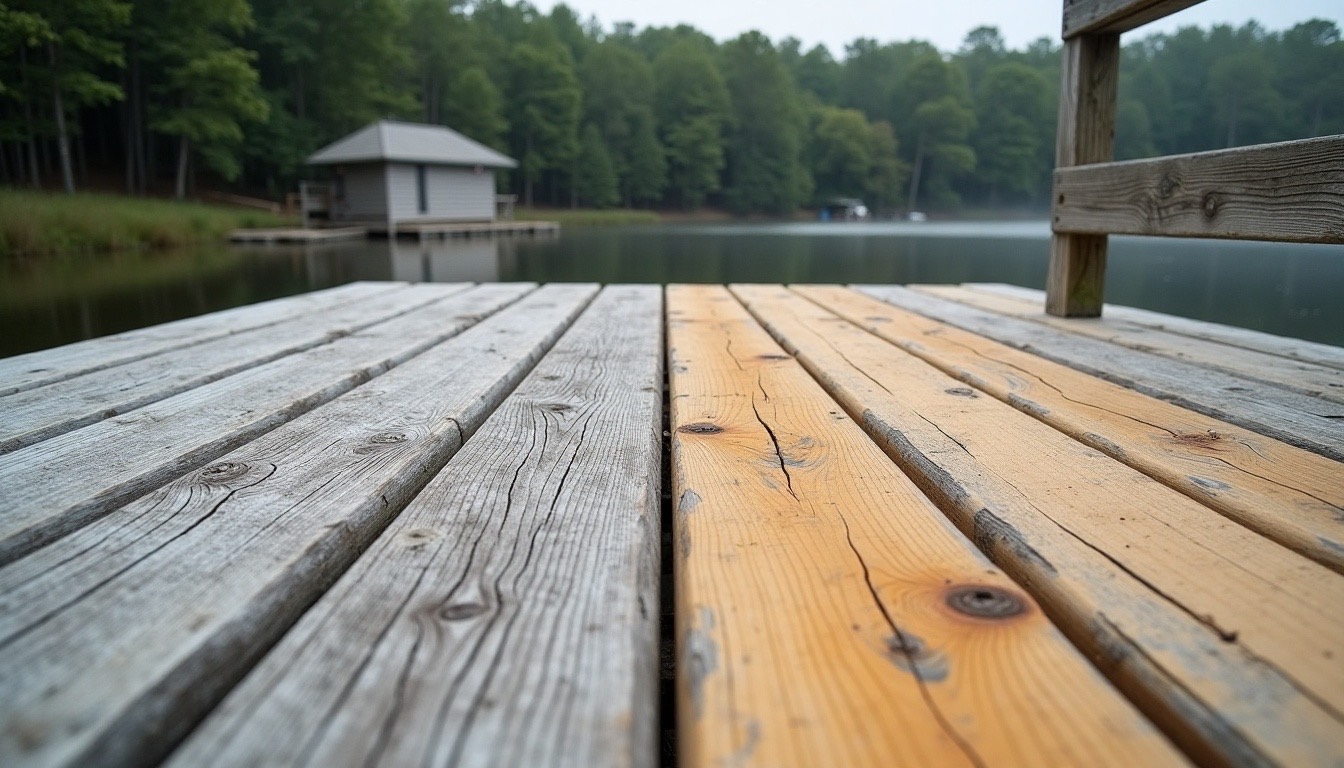
Flagstone and natural stone get soft washed and lightly rinsed. Pressure takes the face off soft stone. If a patio is beside a wood deck we can do the deck boards beside it in the same visit.
Sealing after the wash
Clean concrete can be sealed once it has dried for a day or two, and a sealer makes the next clay stain rinse off with a hose instead of a pretreatment. We seal pavers after re-sanding, and plain concrete on request. A sealer is not a cure for mildew in the shade; that comes back wherever the slab stays damp, sealed or not. It does make it easier to remove.
One of the questions people ask most is whether pavers should be sealed after a wash. On a patio or a paver driveway in a newer subdivision, yes, once the joints are re-sanded and the surface has had two dry days. The sealer locks the sand in, deepens the color and keeps the next season of pollen and clay from soaking into the face of the paver. On old brick pavers that have never been sealed, we talk about it first, because some sealers change the look more than the owner wants.
Related
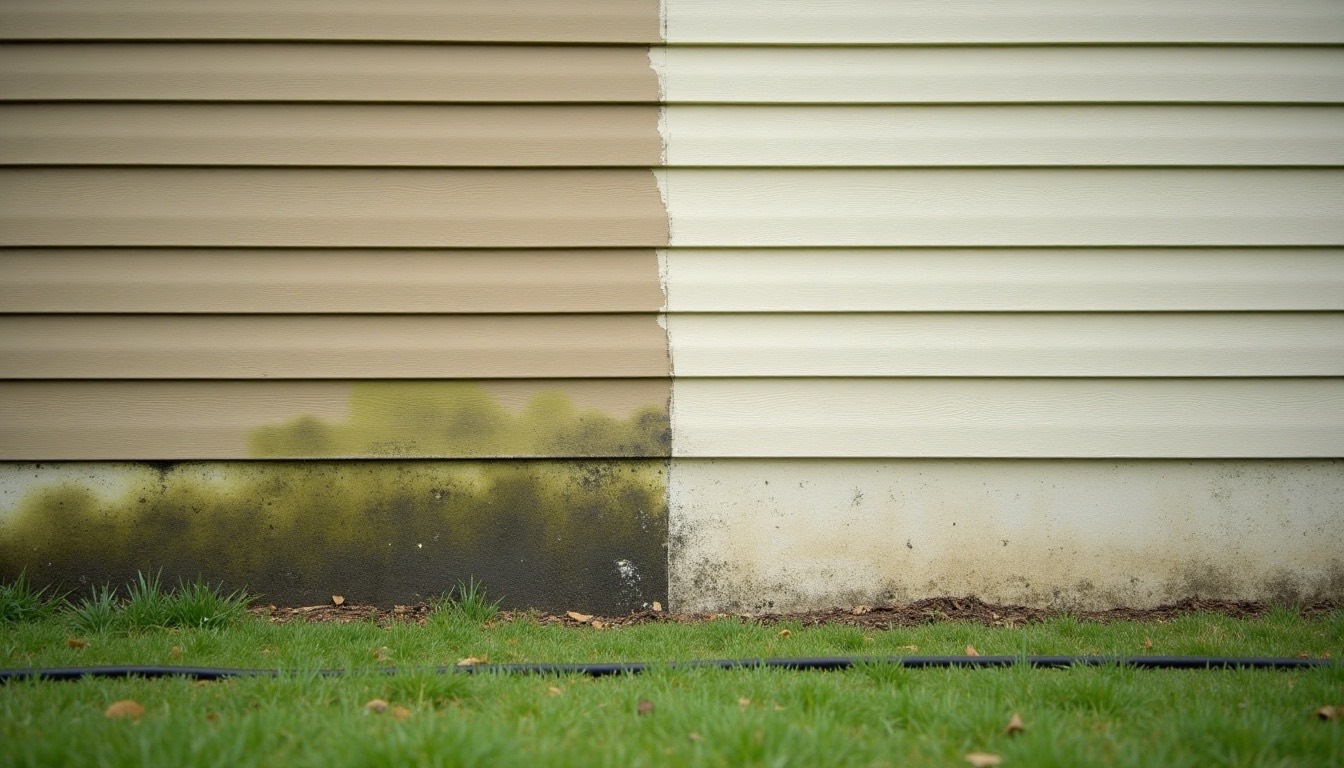
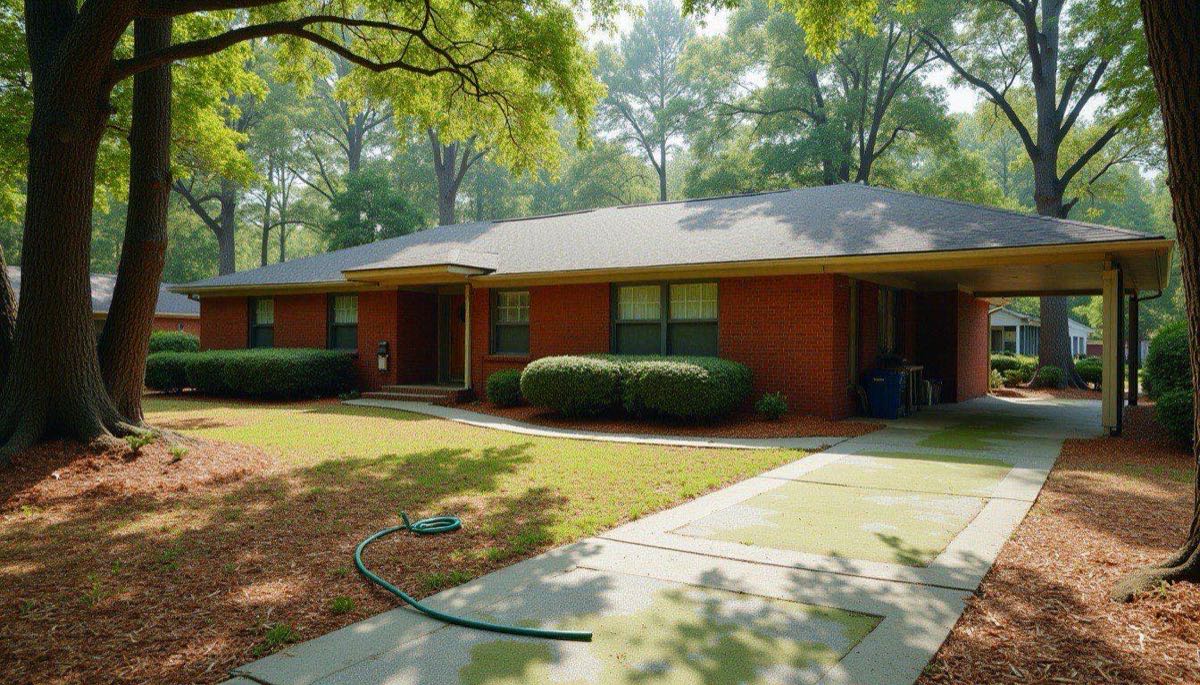
House Washing
Low-pressure soft wash that lifts algae, mildew and pollen film and keeps water out of the wall.
Questions we get
Will you get the oil spot out?
Fresh ones, usually. Old ones that have soaked into the concrete fade a good deal but rarely vanish completely. We say so before we start.
How much pressure is safe on my driveway?
A sound slab takes full pressure from a surface cleaner without trouble. Older or soft concrete gets tested on a corner first and run lower if the surface starts to open up.
Do you clean garage floors?
Yes. Move the cars and anything on the floor, and expect the water to run out the door. Oil and tire marks get a degreaser.
How soon can I park on it?
As soon as it is dry, usually within a few hours. If it is sealed, wait the time we give you for that sealer, generally a day.
Can you power wash flagstone?
Flagstone gets a soft wash and a gentle rinse, not full pressure. The face of soft stone flakes off under a surface cleaner, and the joints between the stones wash out. It comes clean, it just takes the slower method.